The PMT Score Household Survey Questions List is an important guide for anyone who wants to understand what happens during the BISP or NSER household survey.
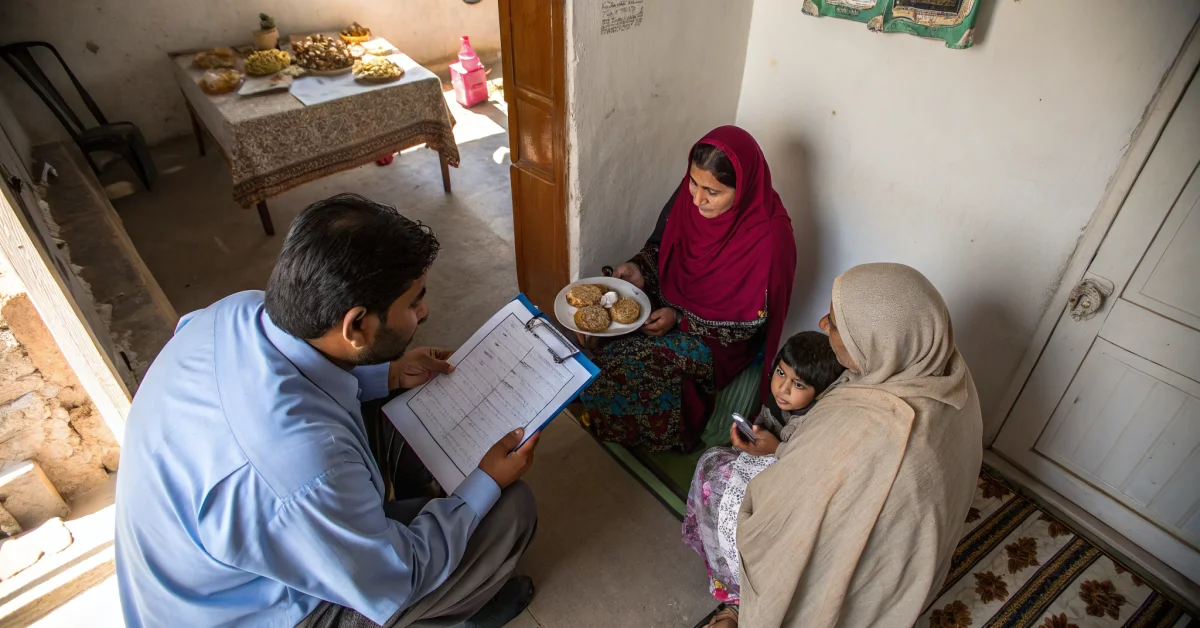
In this process, enumerators visit your home and ask detailed questions about your family, income, assets, and living conditions to calculate your poverty score.
The PMT Score Household Survey Questions List helps you prepare in advance so you can give accurate information and avoid mistakes that may affect your eligibility for government assistance programs.
What is the PMT Score Household Survey?
Purpose of the PMT (Proxy Means Test)
The Proxy Means Test is a statistical method used to measure household poverty and economic vulnerability without conducting expensive income assessments.
Instead of verifying actual income, the PMT uses observable household characteristics—such as housing quality, asset ownership, and family composition—to estimate a household’s socioeconomic status. This approach is cost-effective and reduces opportunities for income manipulation or underreporting.
The PMT score generated from these survey answers determines whether a household qualifies for BISP cash transfers and the amount they receive.
Households scoring below the poverty threshold become eligible for monthly stipends, providing essential financial support to vulnerable families across Pakistan.
How the Survey Affects BISP Eligibility
Your answers to PMT score household survey questions directly influence your BISP eligibility status. The survey results create a numerical score that categorizes households as eligible or ineligible.
Higher poverty indicators (poor housing, limited assets, no employment) typically result in lower scores and higher eligibility chances. Conversely, better living conditions and greater asset ownership increase your score, potentially disqualifying you from assistance.
PMT Score Household Survey Questions List
Personal Information Questions (CNIC, Name, Family Details)
Enumerators begin by collecting basic identification information. They will ask for your CNIC (Computerized National Identity Card) number, full name, father’s name, and date of birth.
These questions verify your identity and link survey responses to government databases. You may also be asked about your marital status, your spouse’s name, and whether you’ve received BISP assistance previously. Having your CNIC ready ensures quick verification and accurate data entry.
Household Composition Questions (Family Members & Dependents)
The enumerator will document all household members living under one roof. PMT score household survey questions in this section include the number of family members, their ages, relationship to the household head, and their current status (student, employed, unemployed, retired, or disabled).
Dependents—particularly children and elderly members—are weighted heavily in the PMT calculation, as they increase household vulnerability and financial pressure.
Housing Condition Questions (Type of House, Ownership)
Housing quality is a significant poverty indicator. You’ll be asked about your dwelling type (mud house, brick house, apartment, or other), number of rooms, roof condition, walls, and flooring materials.
Additional questions cover home ownership (owned, rented, or free occupancy), whether you have a kitchen, bathroom access, and running water availability.
Poorly constructed homes with inadequate facilities indicate a lower socioeconomic status and improve your PMT score for assistance eligibility.
Assets & Property Questions (Land, Vehicles, Appliances)
Enumerators inquire about valuable assets indicating wealth. PMT score household survey questions cover land ownership (agricultural or residential), vehicle possession (motorcycles, cars, tractors), and major household appliances (refrigerator, television, washing machine, air conditioner).
Even small asset ownership can negatively impact your PMT score. Transparency about these items is crucial; concealing assets may lead to disqualification if discovered during verification.
Income Source Questions (Jobs, Business, Earnings)
Questions about employment and income focus on the household head and other working members. You’ll be asked about primary occupations (agricultural labor, shop work, government job, private sector), monthly or seasonal earnings, and self-employment activities.
These questions help assess household income capacity. Multiple income sources or regular employment generally result in higher PMT scores, reducing eligibility chances.
Utility & Expense Questions (Electricity, Gas, Bills)
Monthly utility expenses indicate household economic capacity. Enumerators ask about electricity bills, gas consumption, water charges, and phone expenses. Households paying higher utility bills demonstrate greater financial capacity and receive higher PMT scores.
These expenses help determine whether families can afford necessities independently or require government support.
Education & Employment Questions
The survey includes questions about education levels for household members aged five and above. You’ll report whether family members attend school, have completed their education, or work instead of studying.
These questions identify vulnerabilities—children not in school may indicate child labor or financial hardship, both poverty indicators that lower PMT scores.
Health & Disability Questions
Enumerators ask about chronic illnesses, disabilities, or health conditions affecting household members. Disabled or chronically ill family members unable to earn income increase household vulnerability and improve PMT eligibility.
Specific questions address whether any member receives disability benefits or requires ongoing medical treatment.
Financial Support & Government Aid Questions
You’ll be asked whether your household currently receives government assistance (BISP, Zakat, Ehsaas, or other programs), pension benefits, or remittances from abroad. This information prevents duplicate assistance and identifies alternative income sources that affect your poverty classification.
How Enumerators Conduct the PMT Household Survey
Step-by-Step Survey Process
Enumerators typically arrive with survey forms and identification credentials. They introduce themselves, explain the survey purpose, and seek household head consent.
The entire process involves asking PMT score household survey questions while observing and documenting household conditions directly. They examine housing materials, count visible assets, and verify information with household members.
The process usually follows the order outlined above, moving from personal details to asset and income assessments.
Documents You May Need to Show
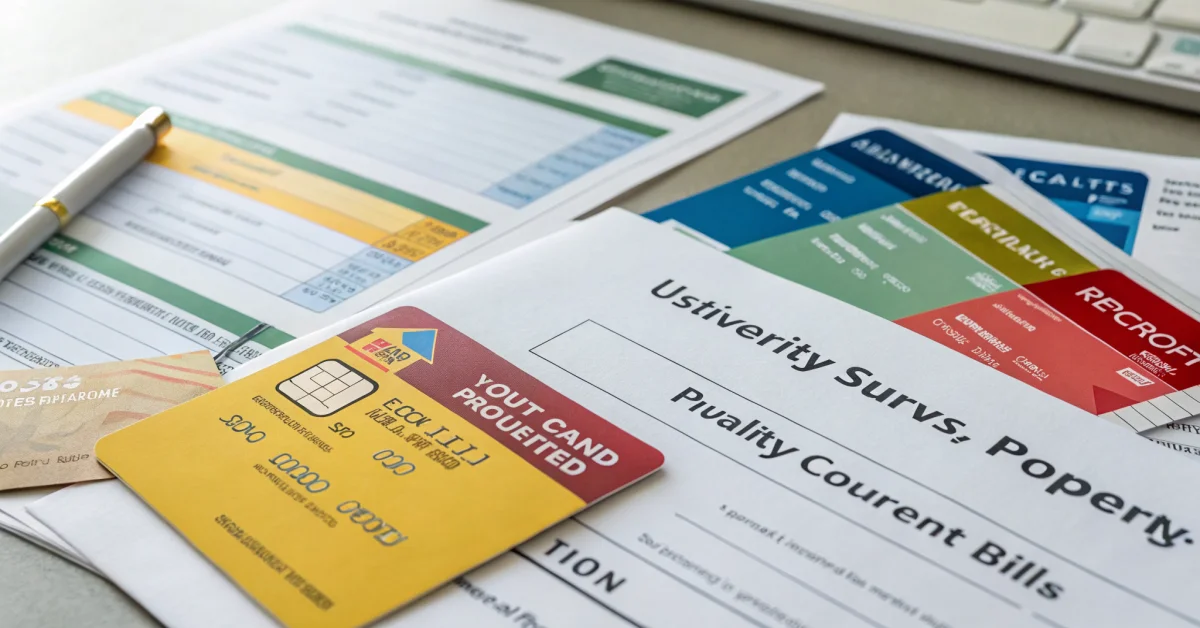
Keep your CNIC, utility bills, property documents, and employment certificates readily available. While not always required, these documents help verify your responses and speed up the process.
Time Required for Survey Completion
Most household surveys take 30-45 minutes, depending on family size and complexity. Larger households with multiple earning members may require longer sessions.
Important Tips Before the Survey Visit
Provide Accurate Information
Honesty is essential. Enumerators are trained to identify inconsistencies, and false information discovered during verification leads to disqualification.
Keep Documents Ready
Having documentation available demonstrates transparency and speeds up verification.
Avoid Common Mistakes During Survey
Don’t exaggerate poverty or hide assets. Be consistent with previous BISP applications or government registrations.
How Your Answers Impact Your PMT Score
High vs Low PMT Score Factors
Low PMT scores (indicating poverty) result from poor housing, minimal assets, unemployment, large dependent families, and absence of utilities. High PMT scores come from owned property, vehicle ownership, regular employment, and utility payments.
Common Reasons for Disqualification
Obvious wealth indicators like government jobs, business ownership, multiple vehicles, or owned agricultural land typically result in disqualification.
What Happens After the PMT Survey?
Data Verification Process
After survey completion, BISP verifies information through government databases, land records, and cross-referencing with other social programs. This verification process takes 4-8 weeks.
When and How Results Are Updated
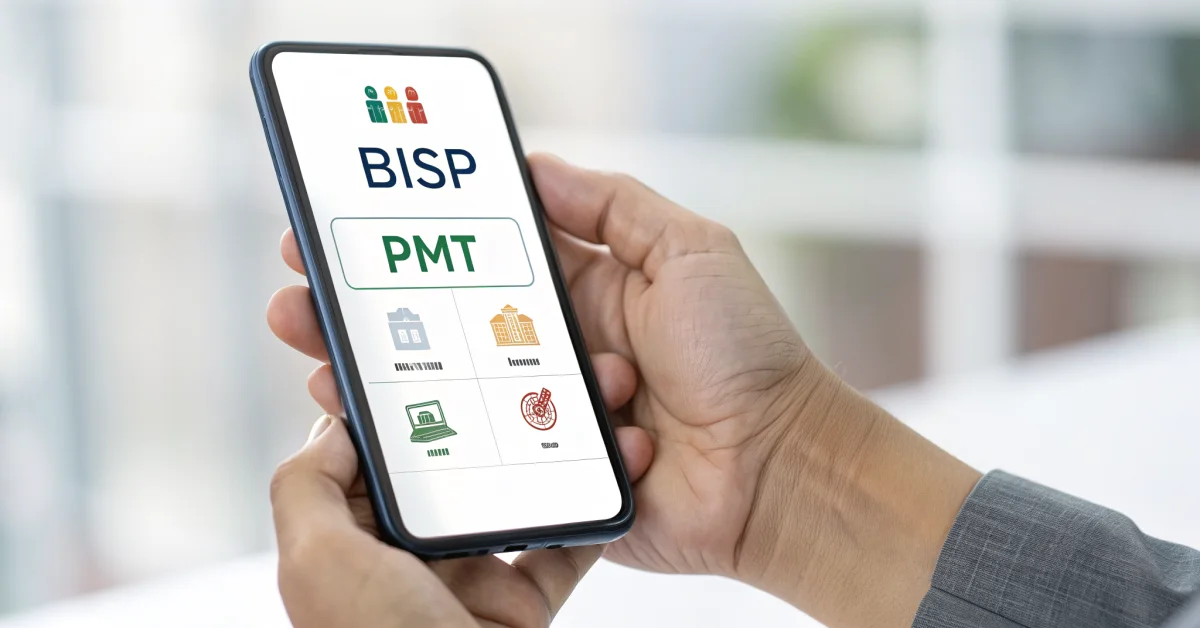
PMT scores are updated in BISP’s database and communicated through SMS or online portals once verification concludes.
How to Check Your PMT Score After Survey
Online CNIC Check Method
Visit the official BISP website and enter your CNIC to view your current PMT score and eligibility status.
SMS and Offline Methods
Text your CNIC to BISP’s dedicated SMS service or visit the nearest BISP offices for offline verification.
FAQs About PMT Household Survey Questions
Can I Update My Survey Information Later?
Yes, you can request updates if circumstances change significantly, though revalidation requires another survey visit.
What If I Give Wrong Information?
Providing false information discovered during verification results in permanent disqualification from BISP assistance.
Is the Survey Mandatory for BISP?
Yes, the PMT household survey is mandatory for all BISP applicants to determine eligibility and assistance amounts.
Conclusion
Understanding PMT score household survey questions helps you prepare thoroughly for your enumerator visit.
By providing accurate, honest responses to these comprehensive questions, you ensure fair evaluation and maximize your chances of receiving appropriate BISP assistance.
Remember that the survey’s purpose is to identify genuinely vulnerable households; transparency and honesty are your best strategies for a successful outcome.

I am Shan ALI, a Pakistani digital content creator with a strong interest in public welfare, government programs, and making official information accessible to ordinary citizens.