
Why PMT Score Changes After Marriage or Divorce is an important topic for people who notice sudden changes in their eligibility for government support programs in Pakistan.
The PMT score is based on household information collected through the NSER system, and any change in marital status can directly affect family structure, income details, and overall scoring. In this article, we will explain why PMT Score Changes After Marriage or Divorce and how these life changes impact your PMT score and eligibility status.
How PMT Score Is Linked to Household Information
Role of Family Composition in PMT Calculation
Your PMT score is fundamentally linked to your household composition. The system evaluates the total number of family members, their ages, education levels, and employment status. When calculating poverty risk, the government considers how income is distributed across family members.
A household with more dependents and fewer earners typically receives a higher PMT score (indicating greater need), while a household with multiple earners and fewer dependents receives a lower score. This is why adding or removing family members through marriage or divorce directly impacts your eligibility status.
Why Household Data Is Continuously Updated
Government systems require continuous household data updates because family situations are dynamic. Pakistani welfare programs depend on accurate, current information to allocate resources fairly.
The NSER database is designed to capture changes through multiple channels: NADRA registration updates, government surveys, and direct applicant submissions.
Without continuous updates, the system would operate on outdated information, potentially assisting those no longer in need while excluding those who newly qualify. This is why authorities emphasize the importance of reporting family changes immediately.
Why PMT Score Changes After Marriage or Divorce in Pakistan
Impact of Marriage on Household Size
Marriage immediately increases your household size, which is one of the most visible changes affecting your PMT score. When you marry, a new adult is added to your household, and their income, assets, and employment status become part of the combined household picture.
Even if your spouse has no income, their presence increases the household size, potentially lowering your PMT score because the government assumes shared resources and economies of scale.
If your spouse has significant income or assets, your score may drop considerably, making you ineligible for certain poverty-targeted programs you previously qualified for.
Effect of Divorce on Family Structure
Divorce fundamentally restructures your household by removing a family member and, typically, reducing combined household income. This change can increase your PMT score because your remaining household has fewer earning members and potentially reduced financial capacity.
The process involves separating household records, which means your individual situation is reassessed independently of your former spouse. However, the timing of this reassessment and how accurately it reflects your new circumstances depends on how quickly you update your information with NADRA and the NSER system.
Change in Income and Dependents After Separation
After a divorce, your financial situation often changes dramatically. If you were dependent on your spouse’s income, losing that income stream increases your relative poverty and may significantly increase your PMT score.
Conversely, if you were the primary earner, your household’s financial situation may improve as you’re no longer supporting your former spouse.
The number of dependents you retain also affects your score—if you have custody of children, they’re counted as dependents, which can increase your PMT score and improve your eligibility for support programs. Accurate reporting of these changes is crucial for ensuring fair assessment.
How Marriage Affects Your PMT Score
Addition of New Family Member in NSER Record
When you marry, NADRA records the marriage, and this information should automatically flow into the NSER database used for PMT calculations. Your spouse’s details—including name, CNIC number, age, education, and employment status—are added to your household record. This addition changes the total household size figure, which is a key variable in the PMT formula.
The system may require re-survey or re-verification to capture your spouse’s complete socio-economic profile, assets, and income sources. Until this information is properly recorded, your household’s true financial picture remains incomplete.
Change in Combined Household Income
The PMT score calculation includes combined household income from all earning members. When you marry, your spouse’s income (if any) is added to your household’s total. If your spouse earns a substantial income, your combined household income increases significantly, which typically lowers your PMT score.
This lower score may disqualify you from programs designed for lower-income families. Even if your spouse is unemployed, the household’s financial capacity is reassessed based on other factors like your spouse’s education level, age, and employment prospects.
The government assumes that married couples have greater financial flexibility through shared resources.
Shift in Eligibility Status for Programs
Marriage can cause a sudden shift in your program eligibility. If you were receiving BISP payments or other means-tested benefits before marriage, these may be reduced or terminated after marriage if your household’s combined income exceeds program thresholds. Similarly, discounts on utility bills or subsidized healthcare may change.
Some programs have different eligibility criteria for married versus unmarried individuals.
This is why newly married couples must understand how their marital status change affects their benefit eligibility and act accordingly to update their records and adjust their program participation.
How Divorce Affects Your PMT Score
Separation of Household Records
Divorce requires complete separation of household records in the NSER system. Where previously one household record included both spouses, the system now maintains two independent household records.
This separation process is handled through NADRA, which communicates divorce information to the social welfare database. The separation should trigger a complete reassessment of each individual’s household situation.
However, delays in this process can lead to situations where one spouse’s record still includes outdated information about the other, affecting benefit calculations. Proactive updates to both NADRA and relevant welfare offices help ensure accurate separation.
Change in Financial Responsibility
Post-divorce, financial responsibility becomes individual rather than joint. You’re no longer responsible for your former spouse’s financial obligations, nor do their assets and income factor into your household assessment.
This change can significantly increase your PMT score if you were the lower earner in the marriage or if you’re left as the sole provider for children.
However, if you’re required to pay alimony or child support, these obligations reduce your available household income, which can increase your PMT score. The government’s system must accurately reflect these changed financial responsibilities to calculate fair PMT scores.
Possible Re-Assessment of PMT Score
After divorce, you’re typically eligible for a re-assessment of your PMT score. This re-assessment should reflect your current, post-divorce financial situation rather than your previous household status.
You may become newly eligible for poverty-targeted programs you didn’t qualify for while married, or your eligibility level may increase, allowing you to access higher benefit amounts. The key is ensuring that government officials are aware of your divorce and that your household information reflects only your current family composition and income sources.
Without active notification, the system may continue using outdated information.
How the Government Updates NSER Data After Marriage or Divorce
Role of CNIC Updates in the NADRA System
The NADRA (National Database and Registration Authority) system is the primary source of demographic information in Pakistan. When you register a marriage or divorce with NADRA, this information is recorded on your computerized national identity card (CNIC).
The government’s social welfare systems, including NSER, are supposed to access and integrate NADRA data to keep household records current. However, the integration between NADRA and NSER systems isn’t instantaneous.
There can be delays of weeks or even months between updating your CNIC and having that change reflected in your PMT score. Understanding this lag helps you take proactive steps to ensure timely updates.
Re-Survey or Re-Verification Process
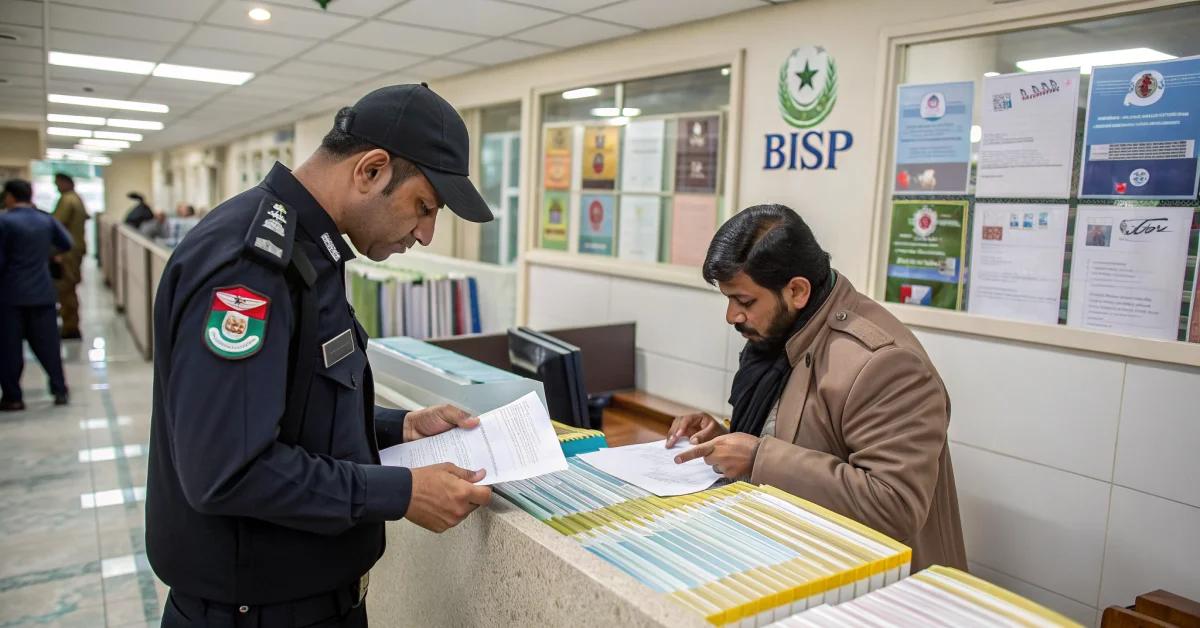
Beyond NADRA integration, the government conducts periodic re-surveys and re-verification processes to update NSER data. Field officers visit households to verify information, assess living conditions, and collect updated socio-economic data.
If you’re selected for re-verification after a marriage or divorce, this is an opportunity to provide accurate, current information.
During this process, you should provide documentation of your marital status change, including marriage or divorce certificates, updated CNIC information, and any relevant financial documents. Honest, accurate reporting during re-verification ensures your PMT score reflects your true current situation.
Time Taken for Data Update
The timeline for NSER data updates varies. NADRA integration may take 4-8 weeks, while re-surveys can take several months depending on area coverage and resource availability. During this transition period, your household record may contain outdated information.
To expedite the process, you can directly contact your local BISP office or social welfare department and inform them of your marriage or divorce.
Providing documentation directly accelerates the update process. Don’t assume that NADRA registration automatically updates your welfare benefits—proactive communication with relevant government offices ensures faster, more accurate updates.
How to Avoid Errors After Marriage or Divorce
Updating Family Information Promptly
The most critical step is updating your family information as soon as possible after marriage or divorce. Register your marriage or divorce with NADRA immediately, then contact your local BISP office, social welfare department, or district administration office to inform them of the change.
Provide your CNIC number, your spouse’s CNIC number (if married), and the date of your marital status change.
The sooner you report these changes, the sooner government systems can update your records and recalculate your PMT score accurately. Delays in reporting can lead to benefit mismatches and potential program disqualification later.
Providing Correct Documentation
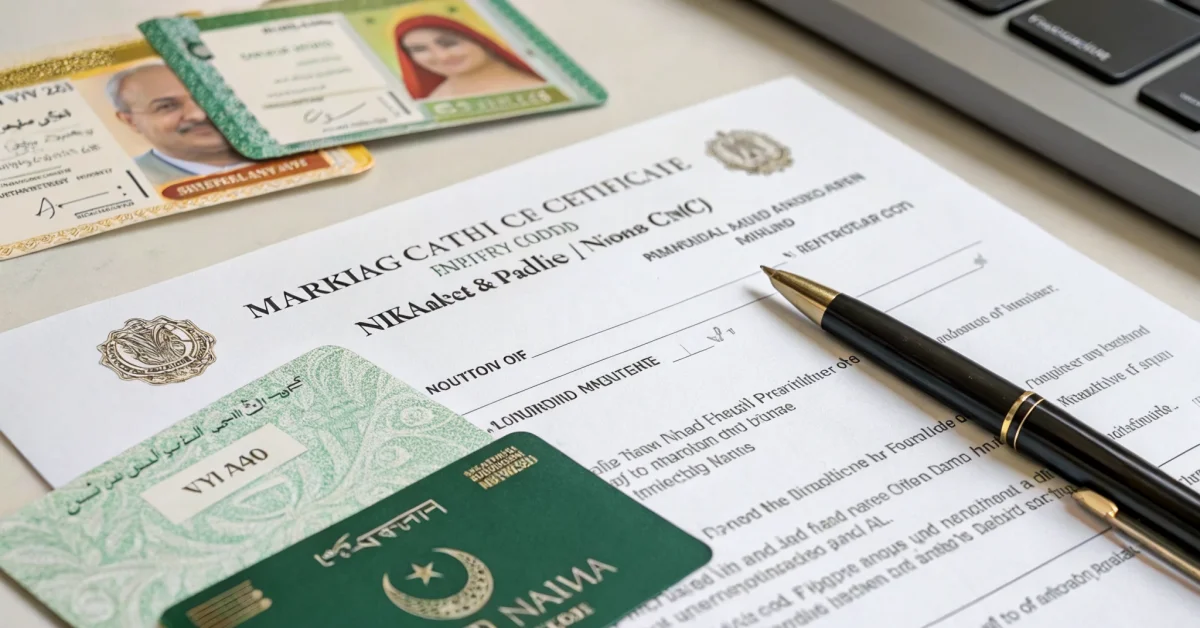
When reporting your marriage or divorce, have the necessary documentation ready. For marriage, you’ll need your marriage certificate (Nikah Nama) and both spouses’ CNIC copies.
For divorce, you’ll need your divorce certificate (Talaq Nama) or court divorce order, along with your CNIC. Keep copies of all documents submitted to government offices for your records.
Accurate documentation prevents disputes about dates, family relationships, and marital status. If there are discrepancies between documents, resolve them immediately rather than letting them create ongoing errors in your PMT score and benefit calculations.
Ensuring Accurate NSER Records
After you report your marriage or divorce, verify that your NSER records have been updated by contacting the relevant office or checking online portals where available. Request confirmation that your new household composition has been recorded correctly.
If you notice errors—such as missing family members, incorrect income figures, or wrong marital status—report them immediately.
NSER records form the foundation of your PMT score, so accuracy at this stage prevents cascading errors that could affect your benefits for months or years. Regular verification, especially after major life changes, is your responsibility as a beneficiary.
Final Thoughts – Why Accurate Family Data Matters
Your PMT score and government benefits depend fundamentally on accurate household data. Marriage and divorce are life-changing events that must be reported to maintain system integrity and ensure fair distribution of resources. Reporting these changes honestly and promptly protects both you and other beneficiaries who depend on means-tested programs.
Accurate data ensures that assistance reaches those who truly need it while allowing those whose circumstances have improved to step aside for others. In Pakistan’s welfare system, your responsibility to provide accurate information is as important as the government’s responsibility to calculate fair scores.
By understanding why PMT scores change after marriage or divorce and taking proactive steps to update your records, you ensure that you receive appropriate benefits and contribute to a more equitable social welfare system.

I am Shan ALI, a Pakistani digital content creator with a strong interest in public welfare, government programs, and making official information accessible to ordinary citizens.