The PMT Score Verification Process is a critical government procedure designed to ensure that beneficiaries of social welfare programs receive accurate eligibility assessments. PMT, or Proxy Means Test, is a method used to identify and rank poor households based on their socioeconomic conditions.
In 2026, understanding how the government confirms your data has become essential for anyone applying for assistance programs, subsidies, or development initiatives. This comprehensive verification process protects both applicants and state resources by maintaining data integrity.
This guide walks you through the entire verification journey, explaining what happens behind the scenes and how to prepare for successful verification of your household data.
Why Verification of PMT Data Is Important
Verification of PMT data ensures that government resources reach those who genuinely need them. Without rigorous verification, fraudulent claims could prevent deserving families from receiving essential support.
The PMT Score Verification Process creates accountability, reduces duplicate benefits, and maintains public trust in welfare distribution systems. Accurate data also helps governments plan better policies based on real demographic and economic information.
Role of Government in Ensuring Accurate Records
Government agencies play a pivotal role in the PMT Score Verification Process by deploying trained survey teams, maintaining secure databases, and implementing cross-verification protocols.
Different departments—including NADRA, revenue authorities, and local administration—collaborate to cross-check information. This multi-layered approach prevents data manipulation and ensures that the PMT scoring reflects genuine household circumstances.
PMT Score Verification Process Step by Step
Step 1 – Initial NSER Data Collection
The first phase of the PMT Score Verification Process begins with the National Socioeconomic Registry (NSER) survey. Trained enumerators conduct face-to-face interviews with households, collecting detailed information about family composition, income sources, education levels, employment status, and household assets.
This initial data collection is fundamental because all subsequent verification steps depend on the accuracy of these baseline details. Applicants should prepare documentation and be honest during these interviews.
Step 2 – Data Entry into Government System
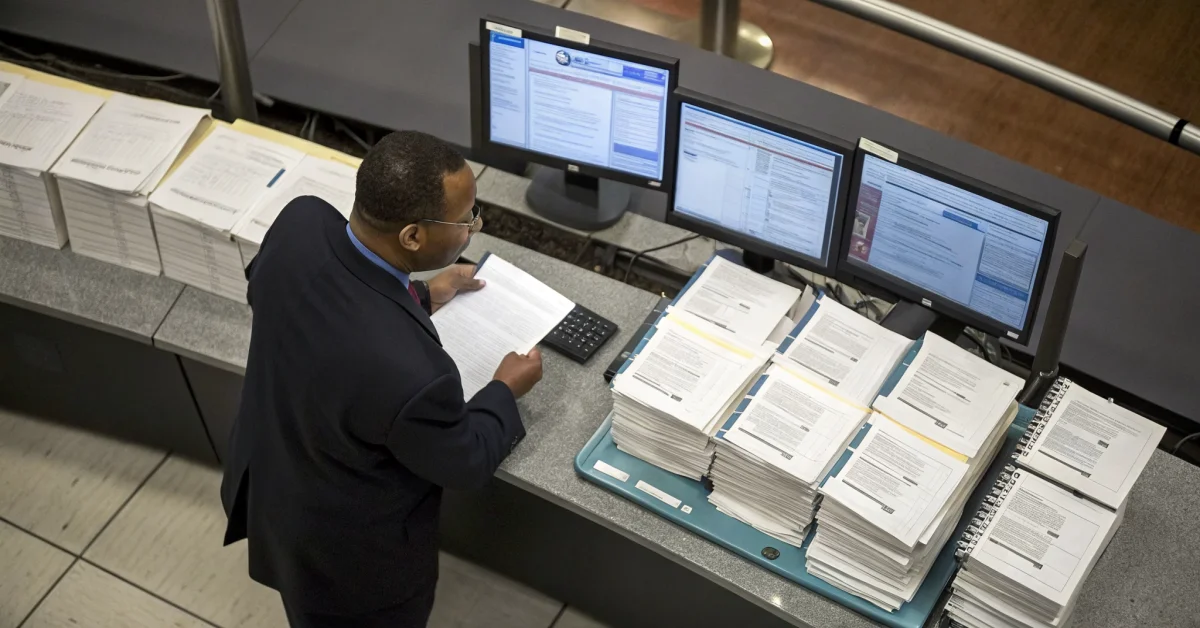
Once NSER surveys are completed, the collected information is entered into the government’s digital system. The PMT Score Verification Process includes automated data validation checks that flag inconsistencies or missing information.
Data entry specialists review survey forms, input information into secure databases, and ensure proper documentation. This step creates an electronic record that becomes the basis for further verification.
Step 3 – Cross-Checking with NADRA Records
A crucial component of the PMT Score Verification Process involves cross-referencing data with NADRA (National Database and Registration Authority). Government officials verify CNIC numbers, family relationships, and demographic information against NADRA’s records.
If discrepancies appear between survey data and NADRA records, the household may be flagged for additional scrutiny. This cross-checking prevents identity fraud and ensures family information accuracy.
Step 4 – Field Verification by Survey Teams
The PMT Score Verification Process includes physical verification where survey teams visit selected households to confirm reported information. These field checks validate asset claims, verify residence authenticity, and observe actual household conditions.
Teams may revisit homes, interview neighbours, or check property records. This ground-level verification catches discrepancies between reported and actual circumstances, making it one of the most effective stages of the entire process.
Step 5 – Final Approval and PMT Score Update
After all verification stages are complete, government officials compile findings and calculate the final PMT score. This score determines your eligibility for various programs and benefits.
The PMT Score Verification Process concludes with official notification to the applicant, including their verified score and program eligibility status. Any appeals or corrections must be addressed during this final phase.
Documents and Data Used in PMT Score Verification Process
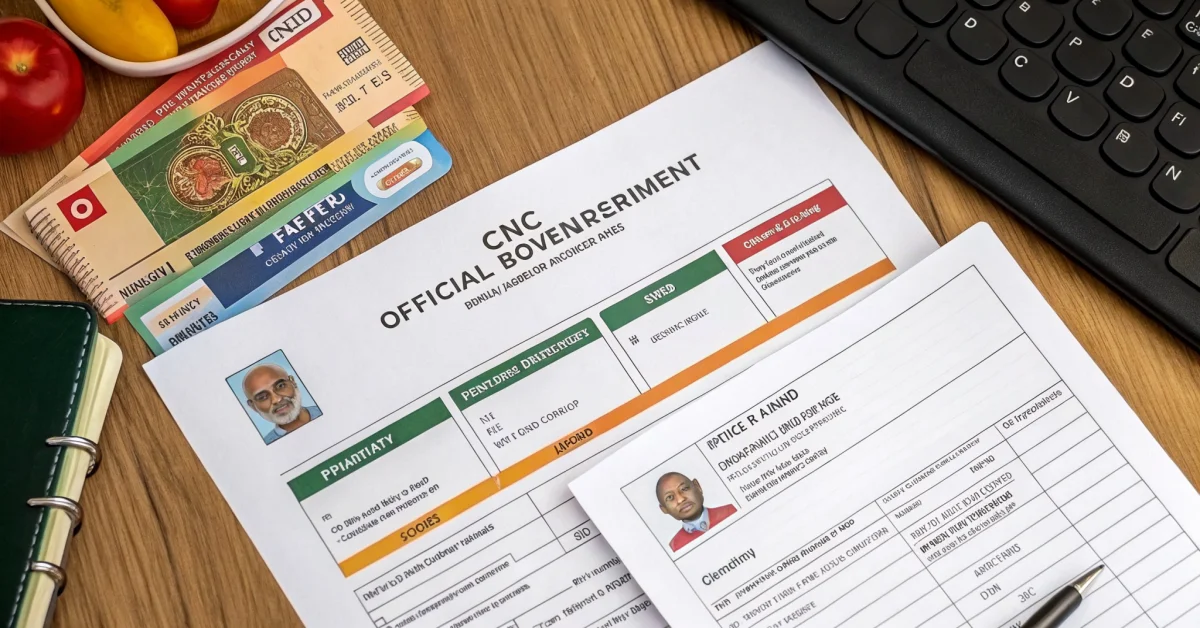
CNIC and Family Registration Details
The PMT Score Verification Process relies heavily on CNIC (Computerised National Identity Card) information and family registration documents. These documents establish identity and family relationships.
Government verifiers cross-check CNIC numbers against NADRA records, family tree documentation, and marriage certificates. Accurate CNIC information prevents duplicate registrations and confirms genuine family composition. Keep these documents easily accessible during the verification process.
Income and Employment Records
Income documentation is central to the PMT Score Verification Process. Government officials review employment letters, salary slips, tax returns, business registration documents, and agricultural income certificates. Informal sector workers may provide income affidavits or testimonials.
The PMT Score Verification Process scrutinises income claims because household income is a primary factor in PMT score calculation. Accurate income reporting is essential for proper eligibility assessment.
Household Assets and Utility Information
Asset documentation forms another critical element of the PMT Score Verification Process. This includes property ownership papers, vehicle registration documents, utility bills showing electricity or water consumption, and mobile phone records.
Government verifiers use utility bills to confirm household size and residence location. Vehicle ownership suggests wealth status. The combination of asset and utility data helps triangulate household economic conditions during the verification process.
Common Issues Found During Verification
Mismatched Family Information
One frequent problem in the PMT Score Verification Process is discrepancies between reported family members and NADRA records. Sometimes applicants omit family members living abroad, fail to update records after marriages, or misreport dependent relationships. These mismatches can result in score recalculation.
During the verification process, be prepared to explain any family structure changes and provide documentation for all claimed dependents.
Incorrect Income Reporting
The PMT Score Verification Process often reveals income discrepancies where reported earnings don’t match employment records or observable spending patterns. Some households underreport income to appear more needy, while others exaggerate income claims.
Government teams investigate such inconsistencies thoroughly. Providing accurate, verifiable income information prevents complications during verification and ensures your PMT score reflects reality.
Missing or Outdated Household Data
Incomplete household information frequently complicates the PMT Score Verification Process. Missing contact details, outdated addresses, or incomplete asset declarations delay verification.
Households that don’t maintain updated information risk verification delays or data recalculation. To ensure smooth processing, keep household information current and complete all survey forms thoroughly during the initial data collection phase.
What Happens If Your Data Is Incorrect?

Risk of Score Recalculation
If the PMT Score Verification Process identifies incorrect data, your score will be recalculated based on verified information. This recalculation might improve or worsen your score depending on the nature of the errors.
Even minor corrections can impact benefit eligibility. Understanding this risk emphasises the importance of providing accurate information initially rather than facing score adjustments later.
Possible Disqualification from Programs
Serious data falsification discovered during the PMT Score Verification Process can result in complete disqualification from programs.
Intentional fraud or significant discrepancies between reported and verified data may lead to program removal, benefit cancellation, and potential legal consequences. The verification process protects program integrity by removing fraudulent beneficiaries.
Need for Re-Verification
If major discrepancies emerge, you may face re-verification through the entire PMT Score Verification Process. This means additional surveys, field visits, and documentation review. Re-verification consumes time and resources. Providing honest information initially prevents the need for time-consuming re-verification procedures.
How to Ensure a Smooth PMT Score Verification Process
Provide Accurate Information During Survey
The foundation of a successful PMT Score Verification Process begins with honest survey responses. Answer all questions completely and accurately. Don’t exaggerate hardships or hide income sources.
Provide specific figures rather than estimates. Keep supporting documents nearby during surveys to reference exact details. Honesty during initial data collection prevents complications throughout the verification journey.
Keep Documents Updated
Maintain current copies of all relevant documents, including CNIC, family registration, income certificates, property papers, and utility bills. Update documents promptly when family or employment changes occur.
Having organised, accessible documentation accelerates the PMT Score Verification Process and demonstrates your credibility to verification teams.
Respond Properly During Field Checks
When verification teams conduct field visits, cooperate fully and answer questions truthfully. Provide access to observe household conditions. Inconsistent responses or uncooperative behaviour raise verification concerns.
Professional, honest interaction with field teams ensures the PMT Score Verification Process proceeds smoothly and your actual circumstances are accurately recorded.
Final Thoughts – Importance of Accurate Data in PMT System
Why Honest Reporting Helps in Fair Eligibility Decisions
The PMT Score Verification Process represents the government’s commitment to fair, transparent benefit distribution. By providing accurate data and cooperating fully with verification procedures, you enable the government to make proper eligibility decisions. Honest reporting ensures that assistance reaches those truly in need and maintains public confidence in welfare systems.
Understanding and supporting the PMT Score Verification Process strengthens social safety nets that protect vulnerable populations. As you navigate benefit applications in 2026, remember that accurate data serves your interests and your community’s interests simultaneously.

I am Shan ALI, a Pakistani digital content creator with a strong interest in public welfare, government programs, and making official information accessible to ordinary citizens.