Getting your PMT score after NSER registration is an important step in accessing social welfare benefits in Pakistan. The Poverty Scorecard (PMT) is used to determine eligibility for various government assistance programs, including the Benazir Income Support Program (BISP). However, many applicants wonder how long the process takes and what factors might affect the timeline.
Understanding the typical timeframe and what to expect can help you plan accordingly and follow up if necessary.
The time required to receive your PMT score after NSER registration varies depending on several factors, including data verification, system processing, and current survey backlogs.
In most cases, applicants can expect to receive their score within 4 to 12 weeks, though this timeline is not guaranteed. This guide will help you understand the complete process, why delays occur, and what you can do if you’re still waiting for your score.
How Long Does It Take to Get PMT Score After NSER Registration?
Typical Timeframe for PMT Score After NSER Survey
After completing your NSER (National Socio-Economic Registry) survey, the typical timeframe to receive your PMT score is between 4 and 12 weeks. However, this is an average estimate, and the actual time can vary significantly based on your location and current system load.
In busy periods or areas with high survey volumes, the process may take longer. Some applicants have reported receiving their scores within 2-3 weeks, while others have waited up to 4 months.
The BISP and NSER authorities continuously work to reduce processing times, but delays remain common.
What Happens After NSER Registration?
Once you complete your NSER registration, your household data enters a processing queue. The survey team submits your information to the central database, where it undergoes several verification stages.
Your data is cross-checked with NADRA (National Database and Registration Authority) records, income verification systems, and asset databases. After all verifications are complete and your data is validated, the PMT algorithm processes your information to generate a final score.
This score determines your eligibility for government assistance programs.
Why Your PMT Score May Be Delayed
Several reasons can cause delays in receiving your PMT score. System overload during peak application periods can slow down processing significantly.
Data inconsistencies or missing information in your registration form may require follow-up investigations, extending the timeline. If your CNIC details don’t match NADRA records perfectly, additional verification may be necessary.
Geographic location also matters—rural areas often experience longer processing times than urban centers due to limited resources and infrastructure.

Factors That Affect PMT Score Processing Time
Verification of Household Data
Verification of household data is the most time-consuming part of the PMT score calculation process. The NSER system must verify all members listed in your household, their relationships, and their income sources. Field officers may need to conduct follow-up surveys if initial data seems incomplete or questionable.
This verification process ensures the integrity of the poverty scorecard and prevents fraudulent registrations. The more complex your household situation, the longer this verification may take.
CNIC and NADRA Record Matching
Your CNIC (Computerized National Identity Card) details must match exactly with NADRA records for smooth processing. Any discrepancies in names, dates of birth, or other personal information can trigger manual reviews.
These reviews require human intervention and extend the processing timeline considerably. If your CNIC is expired or contains outdated information, the matching process becomes even more complicated.
Updating your CNIC information before NSER registration can significantly speed up your PMT score generation.
Survey Backlog and Area Coverage
The NSER survey operates in phases, covering different areas at different times. Areas covered in earlier phases typically see faster PMT score generation because the processing systems are more established. Areas with ongoing or recent surveys may experience longer waits as systems handle high volumes of new registrations simultaneously.
Geographic isolation and limited field staff in certain regions also contribute to slower processing times. Government initiatives to expand survey coverage continue, but temporary backlogs remain inevitable.
How to Check Your PMT Score Status
Check PMT Score Online Using CNIC
You can check your PMT score status online by visiting the official BISP or NSER website and entering your CNIC number. The online portal will display your registration status and, if available, your PMT score.
This is the fastest and most convenient way to check your status without visiting an office. The portal is typically available 24/7, allowing you to check anytime. However, if your registration is very recent, your data may not yet appear in the online system.
Check Through BISP or NSER Centers
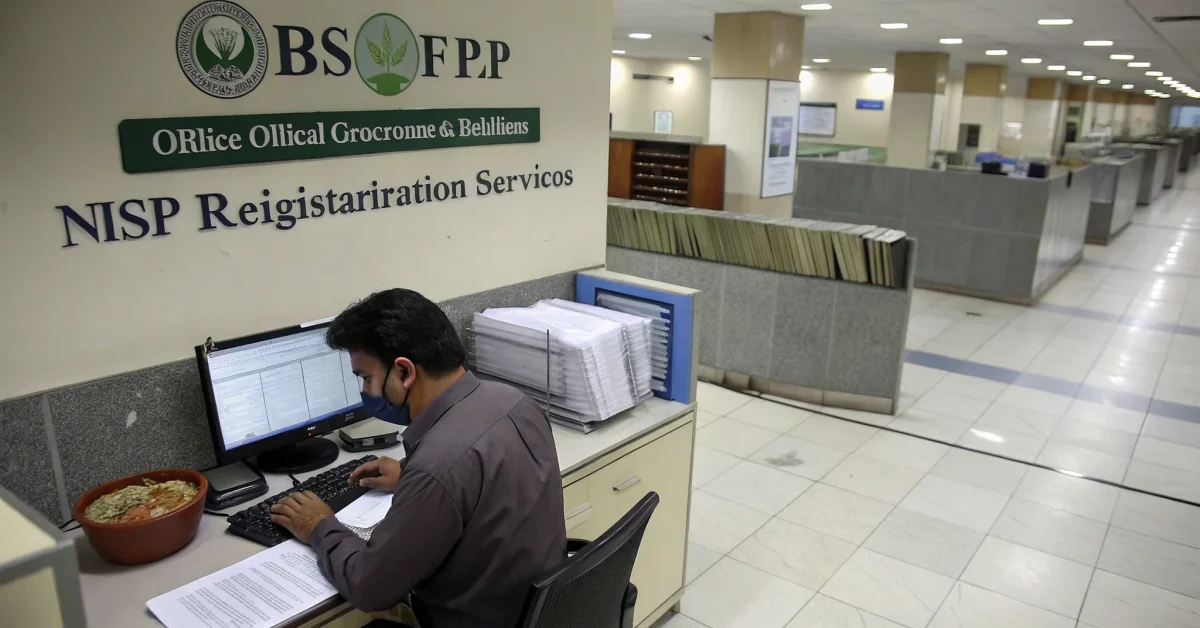
You can also visit your local BISP or NSER center to inquire about your PMT score status. Staff at these centers can access your complete registration file and provide detailed information about where your application stands. They can also identify any missing information or data issues that might be causing delays. Bring your CNIC and registration receipt when visiting.
This method takes more time and effort than online checking, but it can provide more detailed information if your case is complex.

What to Do If You Haven’t Received Your PMT Score
When Should You Wait vs Take Action?
If it’s been less than 4 weeks since your NSER registration, patience is usually recommended. The normal processing timeline means your score is likely still in the queue. However, if 12 weeks have passed without any updates, it’s time to take action.
Check the online portal first to see if there’s any status update. If the portal shows no progress or displays an error, contact your local NSER or BISP office directly. Keep track of your registration date so you know exactly how long you’ve been waiting.
Steps to Resolve Delays or Missing Scores
First, verify that your registration was actually completed by checking the online portal or calling the NSER helpline. If your registration is confirmed but no score appears after 12 weeks, visit your local NSER center with your CNIC and registration details. Request a supervisor to review your case and identify any issues.
Common problems include data entry errors, CNIC mismatches, or missing household information. If errors are found, correct them immediately. After corrections, your PMT score should be generated within 2-4 weeks. Document all interactions and keep copies of any letters or receipts received.
How PMT Score Is Calculated After NSER Registration
Key Factors Used in PMT Scoring
The PMT scoring algorithm considers multiple household and individual factors to determine poverty status. The system evaluates housing conditions, including the type of structure, materials used, and access to utilities. Household composition, including the number of dependents and members with disabilities, significantly impacts the score.
Educational levels of household members and employment status are also crucial factors. Asset ownership, including land, vehicles, and livestock, directly affects the final score. The algorithm weighs all these factors using a standardized formula developed based on comprehensive research.
Income, Assets, and Household Conditions
Your reported household income is one of the primary determinants of your PMT score. However, the system doesn’t rely solely on stated income; it uses asset ownership and living conditions to verify income claims.
Owning significant assets like vehicles or large agricultural plots indicates higher income capacity. Poor housing conditions, lack of utilities, and limited access to services indicate lower income levels.
The system also considers household size and the number of dependents, as larger families generally require more resources to maintain adequate living standards. All these elements combine to produce a final PMT score ranging from 0 to 100, with lower scores indicating greater poverty.
FAQs About PMT Score After NSER Registration
Can PMT Score Be Updated After Registration?
Yes, your PMT score can be updated if significant changes occur in your household circumstances, such as a major change in income, asset acquisition or loss, or household composition changes. However, updates typically require a new NSER survey or, at minimum, a detailed update application.
Updates are not automatic and must be requested through your local NSER office. Re-surveys are generally conducted every few years as part of the regular NSER update cycle. If you experience major life changes, contact your nearest NSER center to explore update options.
Is PMT Score the Same for All Family Members?
The PMT score is calculated at the household level, not the individual level. This means all members of the same registered household share the same PMT score. The score represents the entire household’s poverty status based on collective income, assets, and living conditions.
Individual BISP benefits may vary based on individual circumstances, but the underlying PMT score remains the same for all household members. This approach ensures fair assessment of family-level poverty rather than individual poverty.
How Often Is NSER Data Updated?
The NSER conducts periodic updates to maintain current and accurate poverty data. The frequency of updates varies by region, but comprehensive surveys are typically conducted every 3-5 years.
Targeted updates may occur more frequently in certain areas. The government has been working to implement more frequent updates to capture changing economic conditions. Regional offices provide information about when the next survey will be conducted in your area. You can inquire at your local NSER center about the expected timeline for the next update in your region.
Conclusion
Getting your PMT score after NSER registration typically takes 4 to 12 weeks, though the timeline can vary based on data verification requirements, CNIC matching, and regional processing capacity. Understanding the factors that influence processing time and knowing how to check your status can help you navigate the system more effectively.
If you experience delays beyond the typical timeframe, don’t hesitate to contact your local NSER or BISP office for assistance. By staying informed and proactive, you can ensure your PMT score is processed efficiently and accurately, enabling you to access the social welfare benefits you’re eligible for.

I am Shan ALI, a Pakistani digital content creator with a strong interest in public welfare, government programs, and making official information accessible to ordinary citizens.