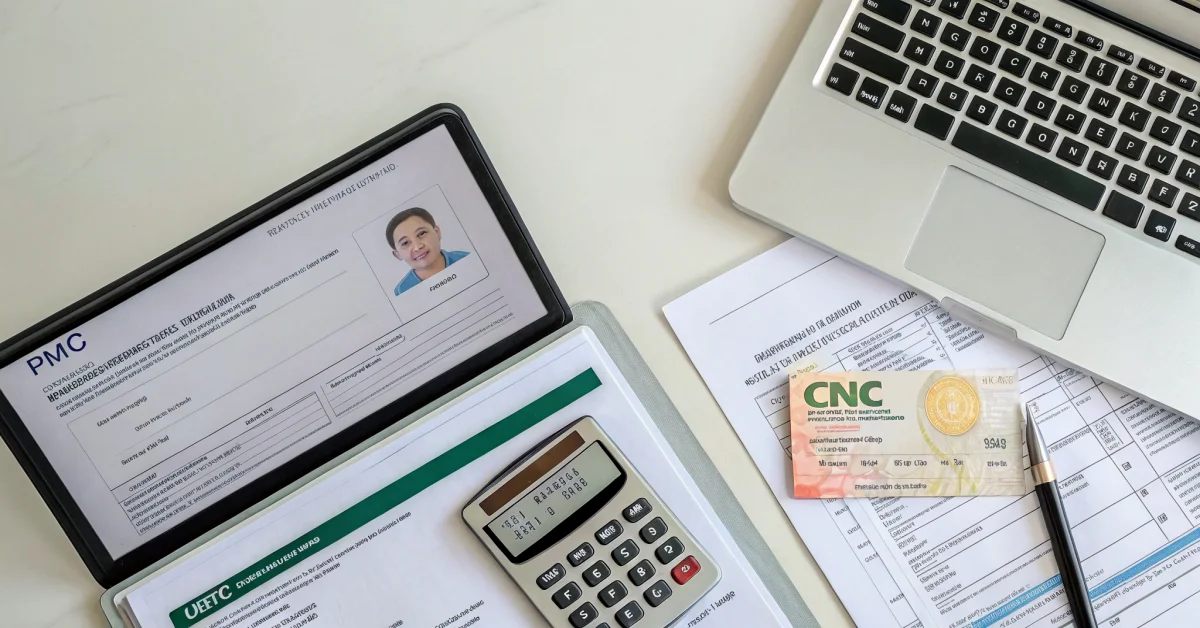
What Happens If Your PMT Score Is Wrong? This is a common concern for individuals relying on government assistance programs in Pakistan.
A wrong PMT score can lead to disqualification, delayed payments, or loss of benefits. In this complete guide, we will explain the possible reasons behind incorrect PMT scores, their impact on your eligibility, and the step-by-step process to fix and update your information quickly and effectively.
What Is a PMT Score and Why Does It Matter
Definition of PMT (Proxy Means Test) Score
The PMT score is a numerical rating calculated by the government to assess the socioeconomic status of families.
It uses various indicators such as household composition, education levels, employment status, and asset ownership to determine whether a family qualifies as low-income and eligible for welfare programs like BISP (Benazir Income Support Programme) and other subsidies.
How PMT Score Is Used in Government Schemes
Government agencies use PMT scores to allocate financial aid and benefits fairly. Your score determines which assistance programs you can access, how much support you receive, and your priority level for benefits distribution.
A correct PMT score ensures you’re matched with appropriate schemes, while an incorrect score can exclude you entirely or assign you benefits meant for lower-income families.
PMT Score Eligibility Criteria Explained
The PMT scoring system evaluates multiple factors, including family size, living conditions, access to utilities, children in school, elderly members, and employment type.
Different government schemes have varying PMT thresholds—some target scores below 16, others between 16 and 35. Understanding these criteria helps you grasp why accuracy is crucial for your eligibility status.
Common Reasons Why Your PMT Score Might Be Wrong
Incorrect NADRA Data or Family Records
Your PMT score is often linked to your NADRA (National Database and Registration Authority) information.
If your NADRA data contains errors—such as incorrect family size, wrong relationship designations, or outdated spouse information—your PMT score will reflect these inaccuracies. Regular NADRA updates are necessary to prevent PMT score miscalculations.
Outdated Household Information
Life changes occur constantly: family members marry, children become adults, elderly relatives pass away, or households separate. If your survey data hasn’t been updated to reflect these changes, your PMT score may be calculated based on incorrect household composition, leading to wrong eligibility decisions.
Errors During Survey or Data Entry
Survey enumerators collecting information may make mistakes while documenting household details. Data entry errors—typos, misrecorded figures, or incorrect categorizations—can result in a flawed PMT score. Communication barriers or rushed interviews sometimes contribute to these data collection errors.
Income or Asset Misreporting
If your household income or assets were underreported or overreported during the survey, your PMT score will be inaccurate. Some families unintentionally provide incomplete income information, while others may miscalculate asset values or forget to mention sources of earnings.
Technical or System Errors
Government computer systems processing PMT scores can experience glitches. Data may be lost, misprocessed, or assigned to the wrong record. These technical errors are less common but significantly impact affected families’ eligibility status.
What Happens If Your PMT Score Is Wrong
Disqualification from Government Schemes
An inflated PMT score may classify you as ineligible for assistance programs. If your score exceeds the threshold for BISP or other schemes, you won’t receive benefits even if you truly qualify as low-income. This disqualification denies families the financial support they need.
Delay in Payments or Benefits
If your PMT score is questioned or flagged for verification, benefit payments are suspended pending review. These delays can last weeks or months, creating financial hardship for families dependent on government assistance.
Interruptions in payments affect children’s education, healthcare access, and basic needs.
Loss of Financial Assistance Eligibility
A wrong PMT score can permanently exclude you from multiple government schemes simultaneously. Since many programs use the same score, an error affects your access to BISP, health insurance, education subsidies, and other welfare benefits all at once.
Impact on Future Scheme Applications
Once disqualified due to an incorrect PMT score, reapplying for schemes becomes difficult. Your previous score remains in the system, and future applications may be rejected automatically based on that incorrect data.
This creates long-term consequences extending beyond immediate benefit loss.
How to Check If Your PMT Score Is Correct
Methods to Check PMT Score Online
Visit the official BISP or NSER (National Socioeconomic Registry) website and log in with your CNIC number to view your PMT score. The portal displays your current score and the factors influencing it, helping you identify potential errors.
Checking via SMS or Official Portals
Some government programs offer SMS-based checking services. Send your CNIC to the designated number to receive your PMT score. Alternatively, visit your nearest BISP registration center, where staff can access your detailed score breakdown and household information.
Documents You Need for Verification
Bring your original CNIC, household registration document, and any recent utility bills or income certificates. Having documentation ready speeds up the verification process and helps officials correct errors immediately.
How to Correct a Wrong PMT Score
Visit the BISP or NSER Registration Center
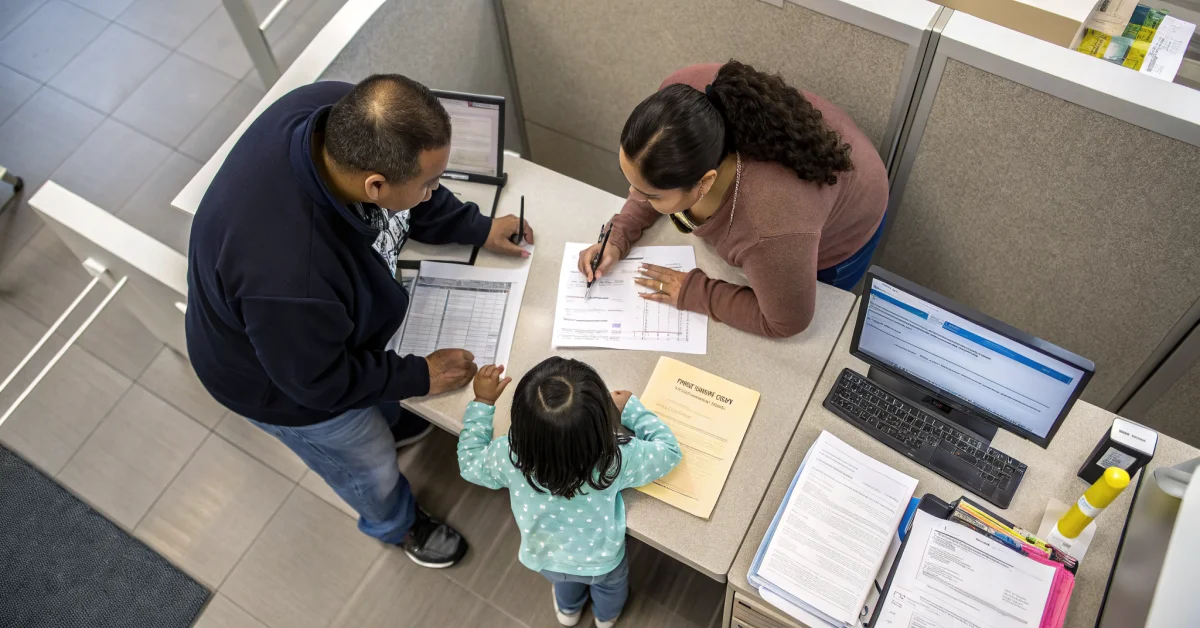
Locate your nearest registration center and bring identification documents. Inform staff about the error and request a score review. They can access your complete file and identify discrepancies in recorded information.
Request a New Survey or Data Update
If errors are confirmed, request a fresh survey visit. A new enumerator will collect updated household information, replacing the incorrect data. This process ensures your score reflects current circumstances accurately.
Submit Required Documents
Provide proof of correct information—employment letters, utility bills, school certificates, or bank statements. Supporting documentation strengthens your correction request and speeds up the process. Keep copies for your records.
Time Required for PMT Score Update
PMT score corrections typically take 4-8 weeks after submission. The timeline depends on government processing capacity and whether additional verification is needed. Follow up with your registration center for status updates.

Can You Reapply After PMT Score Correction?
Eligibility After Updating Information
Once your PMT score is corrected and your eligibility status changes, you become immediately eligible for applicable schemes. Your corrected score overrides the previous inaccurate one in all government systems.
Rejoining Government Schemes
After correction, you can reapply for programs that previously rejected you. Submit fresh applications directly through official portals or registration centers. Previously denied benefits may become accessible with your corrected score.
Important Tips to Avoid Rejection Again
Ensure all current household information matches government records. Update NADRA data immediately after major life changes. Provide complete and honest information during surveys. Keep documentation proving your correct details.
Tips to Avoid PMT Score Errors in the Future
Keep Your NADRA Information Updated
Visit the NADRA office whenever household composition changes. Update your family record after marriages, births, deaths, or separations. Regular NADRA maintenance prevents cascading errors in linked government systems.
Provide Accurate Income and Household Details
During surveys, report all household members accurately. Include all income sources—wages, pensions, freelance work, business profits. Be precise with asset descriptions. Honesty ensures your score truly reflects your socioeconomic status.
Double-Check Information During Surveys
Review the survey form before enumerators leave. Correct any mistakes immediately. Ask clarifying questions if anything seems unclear. Request a copy of your completed survey to verify accuracy later.
Frequently Asked Questions (FAQs)
Can a PMT Score Be Changed?
Yes, PMT scores can be updated when household circumstances change or errors are discovered. Submit a correction request with supporting documents to your nearest BISP registration center.
How Long Does It Take to Fix a PMT Score?
Correction timelines vary from 4-8 weeks, typically. Priority cases may be resolved faster. Government processing backlogs can extend the timeline, so apply early and follow up regularly.
What Is the Acceptable PMT Score for BISP?
BISP primarily targets families with PMT scores below 16. However, specific thresholds vary by province and program phase. Check official guidelines or your registration center for current criteria.
Is PMT Score Linked with NADRA Data?
Yes, PMT scores are derived partially from NADRA information. Errors in your NADRA file directly affect your PMT score. Maintaining accurate NADRA records is essential for PMT accuracy.
Conclusion: Fixing a Wrong PMT Score Quickly
A wrong PMT score can significantly impact your family’s access to essential government assistance. However, the system allows corrections when errors are identified and reported promptly.
By understanding what constitutes a PMT score error, how to verify your score accuracy, and the correction process, you can take proactive steps to ensure you receive deserved benefits. Regularly update your personal information, provide honest survey responses, and don’t hesitate to request verification if you suspect errors.
Quick action in correcting PMT score mistakes minimizes benefit disruptions and ensures your family’s continued eligibility for vital government support programs. Visit your nearest registration center today if you have concerns about your PMT score accuracy.

I am Shan ALI, a Pakistani digital content creator with a strong interest in public welfare, government programs, and making official information accessible to ordinary citizens.