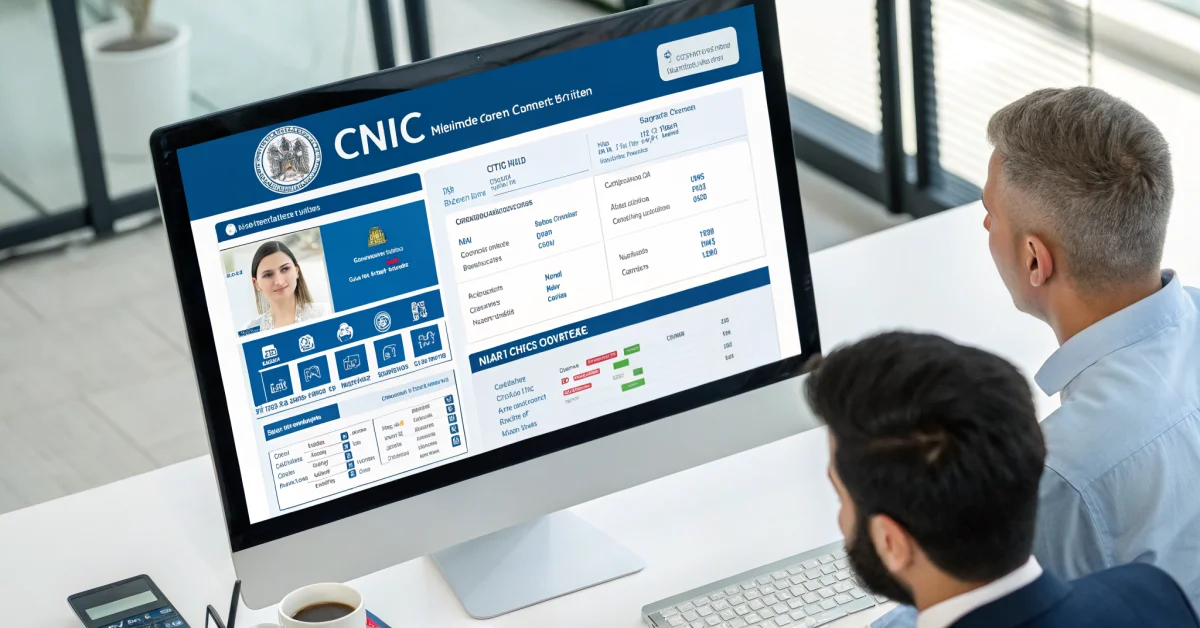
Is PMT Score Linked with NADRA Data? is an important topic for people applying to government assistance programs in Pakistan. The PMT score is not directly calculated by NADRA, but it is strongly connected through CNIC records and family data used in the NSER survey.
This system helps verify household information and determine eligibility for welfare programs like BISP and Ehsaas initiatives.
Introduction to PMT Score and NADRA System
What is the PMT Score in Pakistan?
The PMT score, or Proxy Means Test score, is a numerical assessment used by the government to determine whether a household qualifies for social welfare programs.
Rather than directly assessing income (which many poor households cannot document), the PMT system uses observable household characteristics—such as housing quality, ownership of assets, education levels, and employment status—to estimate economic status.
This score ranges from 0 to 100, with lower scores indicating greater poverty and therefore higher priority for government assistance.
The PMT methodology was developed internationally and adapted for Pakistan’s context. It provides a more objective and fraud-resistant way to identify deserving families compared to traditional needs-based assessments.
Your PMT score determines eligibility for various government schemes, including BISP cash transfers, Ehsaas Emergency Cash, health programs, and educational support initiatives.
What is NADRA and Its Role in National Data Management?
NADRA is Pakistan’s central identity and population registration authority, responsible for issuing Computerized National Identity Cards (CNICs), maintaining population records, and managing biometric data for all citizens.
Established in 1992, NADRA has become the backbone of Pakistan’s digital governance infrastructure. Every citizen’s personal information, family relationships, and vital events (births, marriages, deaths) are recorded in NADRA’s comprehensive database.
NADRA’s role extends beyond identity verification. It serves as the primary data source for government agencies implementing social programs, census operations, and public policy initiatives.
The authority maintains real-time, updated records that are crucial for determining eligibility and preventing duplicate benefits or fraud in welfare distribution systems.
Is PMT Score Linked with NADRA Data?
How NADRA Data is Used in PMT Assessment
PMT scores are calculated using information collected through the NSER (National Socioeconomic Registry) survey, but this survey data is continuously cross-checked against NADRA records.
When BISP or other agencies assess your PMT score, they access NADRA’s database to verify your CNIC information, confirm family composition, and validate household details you’ve provided. This direct linkage ensures that the assessment is based on verified, official data rather than self-reported information alone.
The connection works bidirectionally: NADRA provides baseline identity and family data, while the NSER survey collects detailed household information. The PMT algorithm then combines these datasets to generate your score.
If there are inconsistencies between what you’ve reported in the NSER survey and what’s recorded in NADRA, your PMT score may be adjusted downward, or your application may be flagged for manual review.
Connection Between NSER Survey and NADRA Records
The NSER survey is Pakistan’s comprehensive poverty assessment tool used to calculate PMT scores for welfare program eligibility. During the NSER enumeration, surveyors collect detailed information about your household: housing conditions, asset ownership, employment, education, and family composition.
This information is then matched against NADRA’s CNIC database and family registration records to ensure accuracy and prevent fraudulent claims.
When anomalies appear—such as family members not registered with NADRA or household composition that doesn’t match NADRA records—the NSER data is flagged for verification. This cross-checking mechanism protects the integrity of the welfare system and ensures resources reach genuinely deserving families.
How NADRA and BISP Work Together
Identity Verification Through CNIC Database
Every applicant for government welfare programs must have a valid CNIC. NADRA’s CNIC database is the primary tool for verifying your identity. When you apply through BISP or Ehsaas, your CNIC information is instantly checked against NADRA’s records to confirm you are a registered Pakistani citizen, your age, gender, and identity validity.
Expired, cancelled, or fraudulent CNICs are immediately identified, preventing ineligible individuals from accessing benefits.
Household Data Matching Process
NADRA maintains detailed Family Registration Certificates (FRCs) that list all registered family members, their relationships, dates of birth, and marital status.
During PMT assessment, your household composition from the NSER survey is matched against your FRC in NADRA’s system.
If family members are missing from your NADRA registration or if there are discrepancies in reported family size and composition, this affects your PMT score calculation.
Biometric Verification System
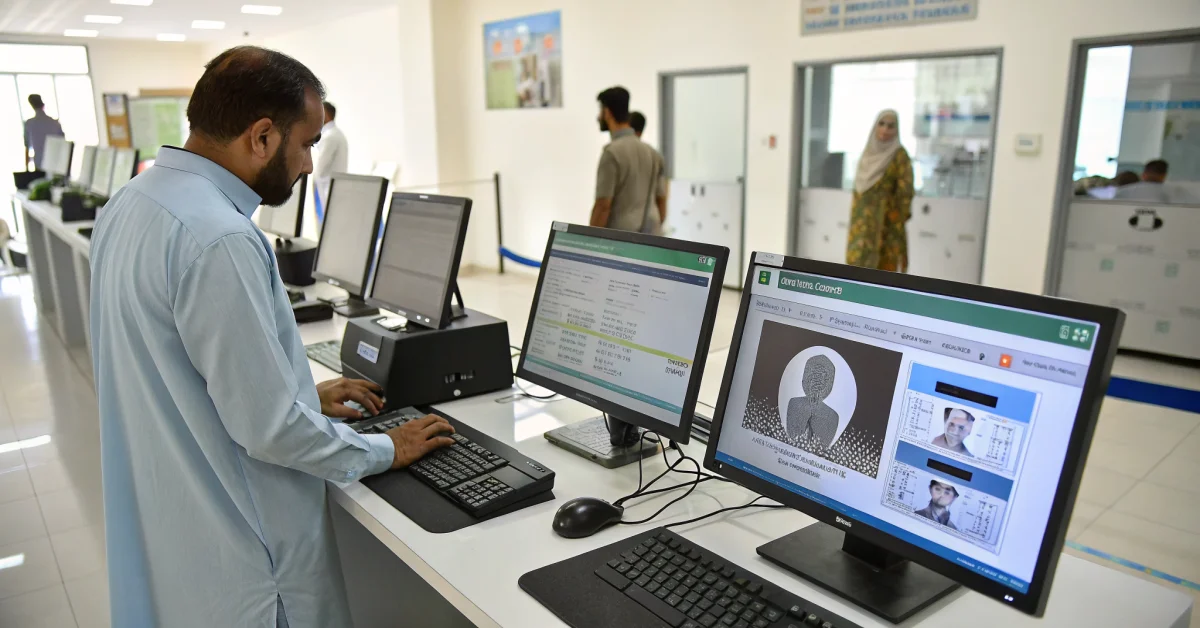
NADRA has integrated biometric technology into its verification process. When you collect your welfare benefit, your fingerprints or iris scans are matched against NADRA’s biometric records to confirm you are the rightful beneficiary.
This prevents identity fraud and ensures that only registered individuals receive benefits under registered CNICs.
What Information is Shared Between NADRA and the PMT System?
Personal Identification Details
Your full name, CNIC number, date of birth, gender, and nationality information from NADRA are shared with the PMT system. Any errors in these details can cause mismatches during the assessment process.
Family Registration Information
Your spouse’s information, children’s names and dates of birth, and other registered dependents are verified through NADRA’s FRC against the NSER survey data. Missing or incorrectly registered family members can lower your PMT score.
Income and Household Status Data
While NADRA primarily stores identity data, it also maintains employment and occupational information reported during CNIC registration and updates. This information supplements the NSER survey data used in PMT calculation.
How PMT Score is Calculated Using NADRA Data
Role of NSER Survey in Data Collection
The NSER survey collects comprehensive household information that forms the basis of PMT calculations. Surveyors conduct detailed interviews to gather data about housing, assets, employment, education, and family composition.
This primary data is essential because NADRA’s database alone doesn’t contain sufficient details about economic conditions.
Data Cross-Checking and Validation Process
Once NSER data is collected, it undergoes rigorous validation against NADRA records. Computer algorithms compare the two datasets to identify inconsistencies.
High-risk applications with significant discrepancies are manually reviewed by PMT assessment teams before final scores are assigned.
Updating Household Records
When births, deaths, marriages, or other family changes occur, these events must be registered with NADRA.
The PMT system then uses updated NADRA records in subsequent benefit cycles, which is why keeping your NADRA information current is crucial for maintaining accurate PMT assessments.
Can NADRA Data Affect Your PMT Score?
Impact of Incorrect CNIC Information
Errors in your CNIC—such as wrong date of birth, misspelled name, or incorrect family details—directly affect PMT assessment.
If your CNIC shows you as head of a household with five members but your NSER survey reports seven members, this discrepancy lowers your credibility score and may negatively impact your PMT ranking.
Effect of Family Updates (Birth, Death, Marriage)
If you fail to update your family information with NADRA following significant life events, your NADRA data will become outdated.
During PMT assessment, this outdated data creates mismatches with your NSER survey information, potentially affecting your eligibility score or causing your application to be questioned.
Consequences of Data Mismatch
When NADRA data contradicts NSER survey data significantly, your application may be rejected or assigned a lower PMT score. In severe cases of suspected fraud or identity issues, your case is referred for detailed investigation, which can delay benefit processing by months.
How to Update NADRA Data for PMT Accuracy
Visiting NADRA Registration Centers
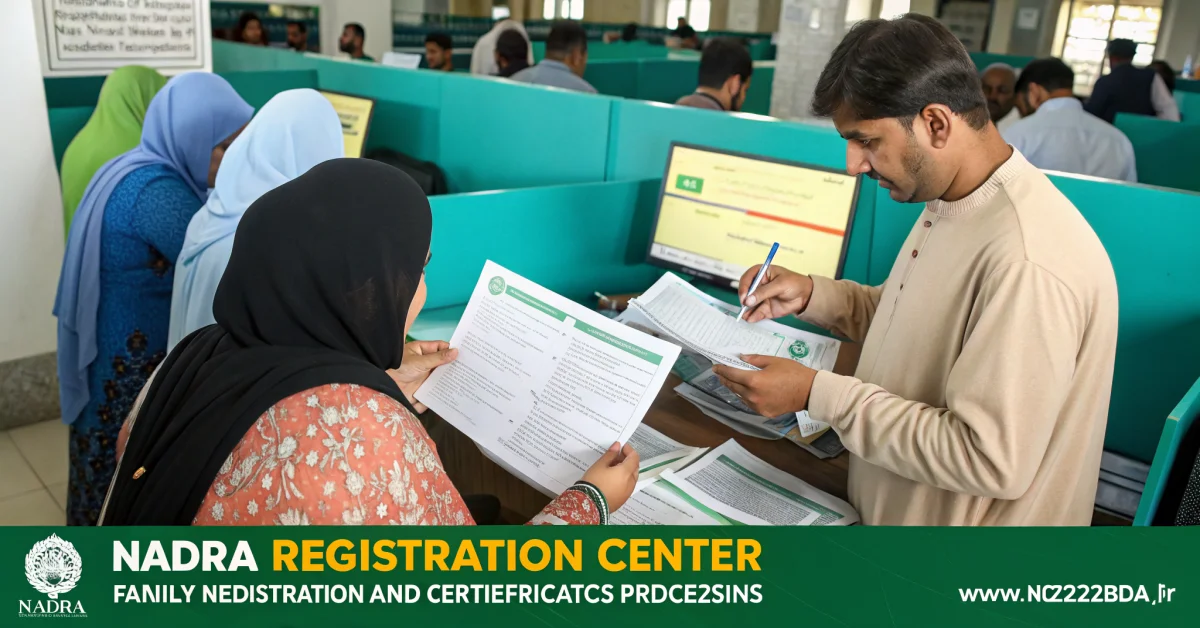
You can visit any NADRA registration center across Pakistan to update your personal information. Bring your original CNIC and supporting documents (birth certificate for new family members, marriage certificate, death certificate for deceased family members, etc.).
NADRA staff will verify your documents and update your records in the national database.
Updating Family Registration Certificate (FRC)
The FRC is critical for PMT assessment. Ensure all family members—spouses, children, and dependents—are listed accurately with correct dates of birth. If you’ve had children since your last CNIC issuance, register them immediately to prevent PMT score discrepancies.
Correcting CNIC Information
If you discover errors in your CNIC (name spelling, date of birth, father’s name), apply for correction at NADRA immediately. Bring supporting documents and a written application explaining the error. Once corrected, the updated information flows to the PMT system within weeks.
Common Issues in PMT and NADRA Data Linking
Delayed Data Synchronization
NADRA updates and PMT system synchronization can sometimes experience delays, especially in remote areas. This may cause temporary mismatches until the systems are fully synchronized, potentially affecting your benefit status temporarily.
Missing Family Members in Database
Children born to unregistered or deceased parents may not appear in NADRA records. Similarly, newly married individuals may not have updated their FRC. These missing records complicate PMT assessment and can result in lower scores.
Errors in Household Records
NADRA records may contain outdated occupational information or incorrect household composition from the time of initial registration. Regular updates and corrections are necessary to ensure your data accurately reflects your current situation.
Importance of Accurate NADRA Data for PMT Score
Eligibility for Government Schemes
Accurate NADRA data is the foundation of accurate PMT scores. Your PMT score determines eligibility for BISP cash transfers, Ehsaas Emergency Cash, health insurance programs, and educational scholarships. Inaccurate NADRA data can result in being deemed ineligible for benefits you actually qualify for.
Avoiding Rejection in BISP/Ehsaas Programs
Applications with significant discrepancies between NADRA and NSER data are often rejected or flagged for detailed investigation. Keeping your NADRA information accurate prevents unnecessary delays and rejections in the benefit application process.
Ensuring Transparent Assessment
The link between NADRA and PMT systems creates transparency in welfare distribution. It ensures that assessments are based on verified official data rather than subjective evaluation, reducing corruption and making the system fairer for all applicants.
FAQs About PMT Score and NADRA Link
Is PMT score automatically updated with NADRA?
PMT scores are recalculated periodically (usually annually) when new NSER surveys are conducted. However, changes to NADRA records don’t automatically trigger PMT updates. You may need to apply for reassessment or update your information during enrollment windows.
Can wrong NADRA data affect eligibility?
Yes, absolutely. Incorrect NADRA information about family composition, dates of birth, or marital status can significantly impact your PMT score and eligibility determination. It’s crucial to correct any errors immediately.
How often is data synchronized?
NADRA and PMT systems are synchronized regularly, typically on a weekly or monthly basis in urban areas. In remote areas, synchronization may take longer. During major enrollment campaigns, synchronization occurs more frequently.
Conclusion
Key Takeaway on PMT and NADRA Connection
The PMT score is definitely linked with NADRA data. Your eligibility for government welfare programs depends heavily on the accuracy and completeness of your NADRA records.
The system uses NADRA’s identity and family registration data to validate the information collected during NSER surveys, creating a robust verification mechanism that protects program integrity.
Why Data Accuracy is Essential for Benefits
Maintaining accurate NADRA data isn’t just a bureaucratic requirement—it’s essential for ensuring you receive the government support you’re entitled to.
Whether it’s updating family information following major life events or correcting errors in your CNIC, taking proactive steps to keep your NADRA records current directly impacts your PMT assessment and welfare program eligibility.
Visit your nearest NADRA center today to verify and update your information, ensuring your PMT score accurately reflects your socioeconomic status and maximizing your chances of receiving deserved government benefits.

I am Shan ALI, a Pakistani digital content creator with a strong interest in public welfare, government programs, and making official information accessible to ordinary citizens.